Books on Consciousness and Reality
The books that shifted my understanding of whether consciousness is fundamental to reality. Featuring Bernardo Kastrup, Donald Hoffman, Federico Faggin, Michael Talbot, and more.
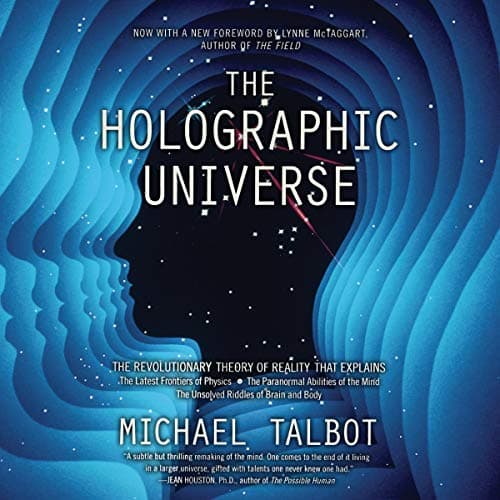
The Holographic Universe
The Holographic Universe presents Michael Talbot's exploration of the idea that reality operates on holographic principl...
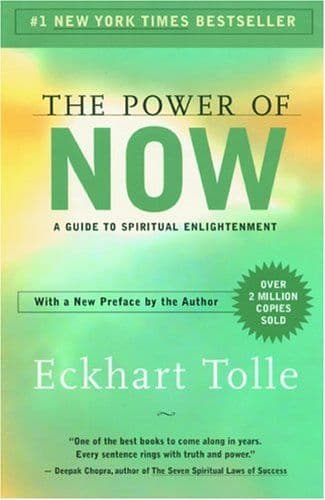
The Power of Now: A Guide to Spiritual Enlightenment
The Power of Now is Eckhart Tolle's guide to transcending ego-based consciousness by anchoring awareness in the present ...
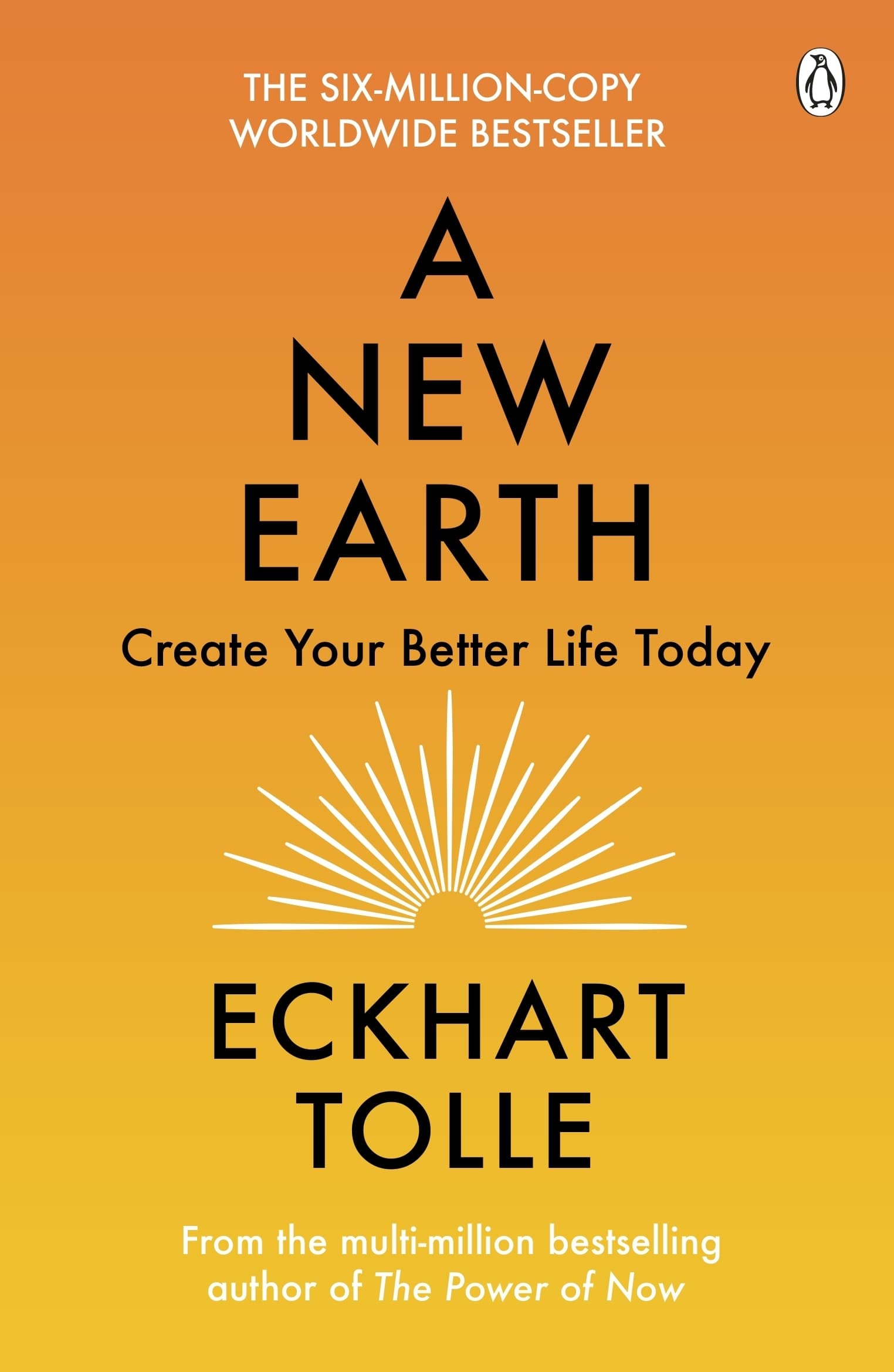
A New Earth: Awakening Your Life's Purpose
A New Earth builds on the foundations Tolle established in The Power of Now, focusing specifically on how ego operates b...
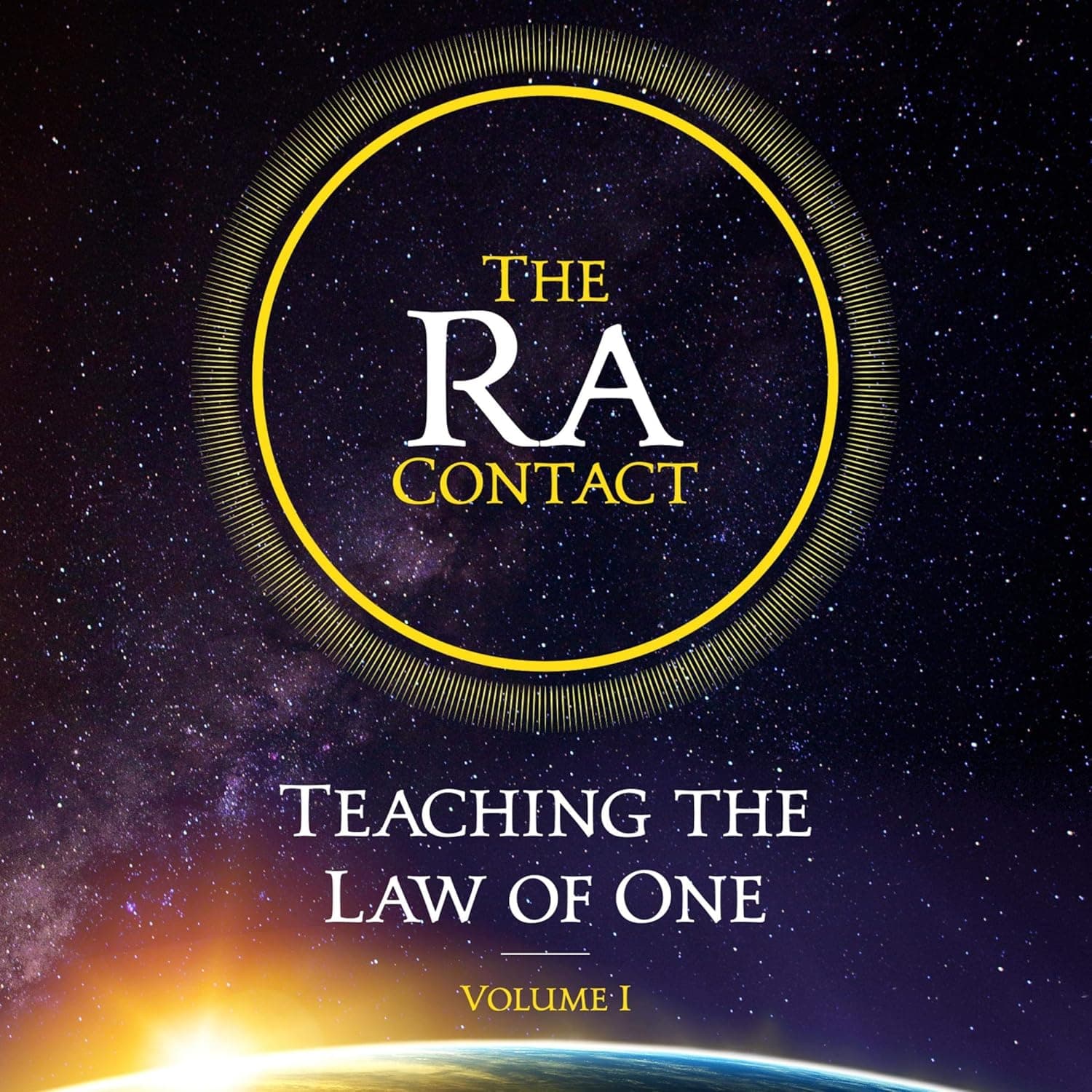
The Ra Contact: Teaching the Law of One, Volume 1
The Ra Contact presents channeled sessions conducted in the early 1980s by researcher Don Elkins, channel Carla Rueckert...
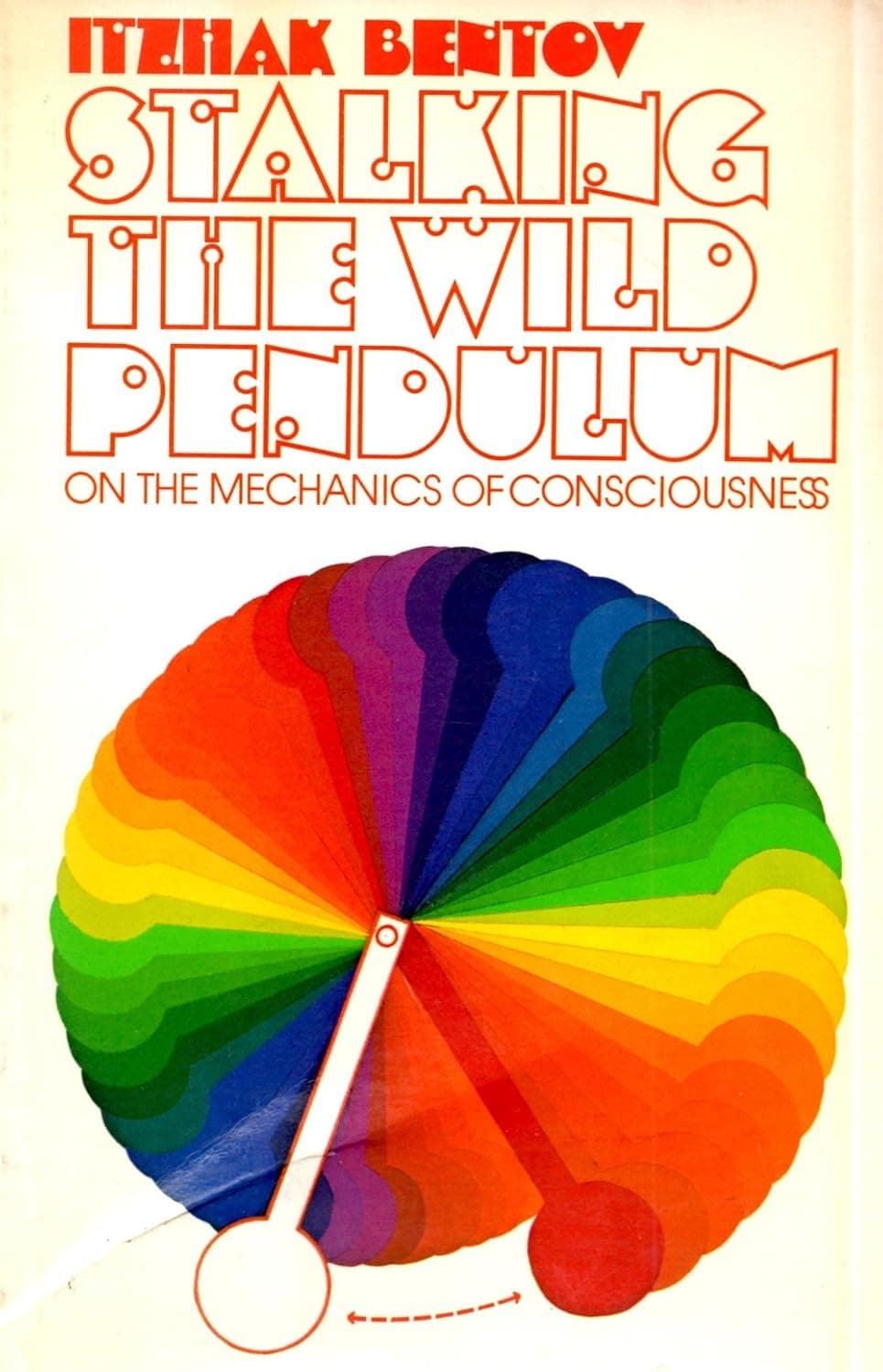
Stalking the Wild Pendulum: On the Mechanics of Consciousness
Stalking the Wild Pendulum is Itzhak Bentov's exploration of consciousness using models drawn from physics, particularly...
Letting Go: The Pathway of Surrender
Letting Go presents David Hawkins' method for releasing emotional attachments and limiting beliefs through a practice he...
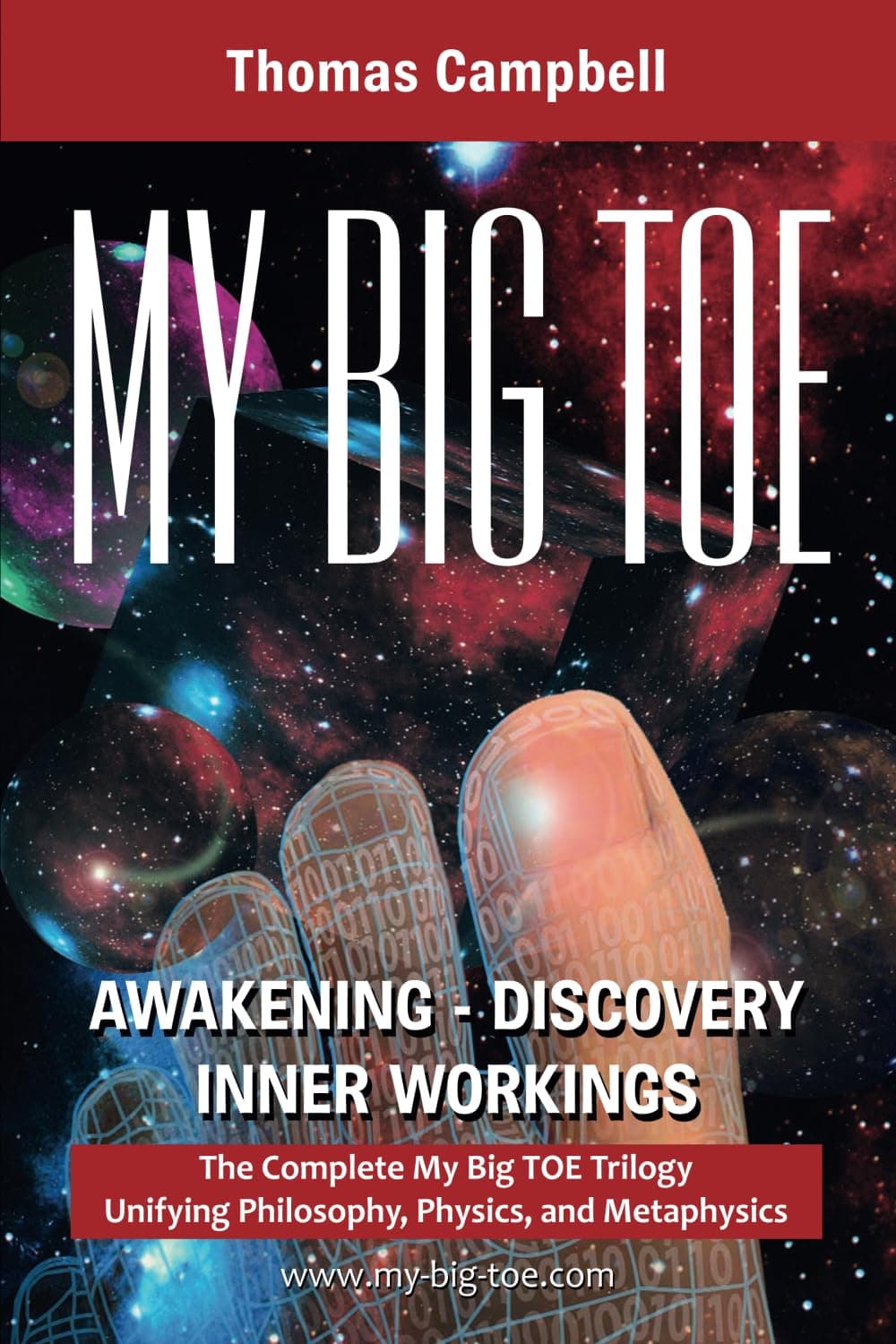
My Big TOE: Discovery
My Big TOE: Discovery is Thomas Campbell's account of how a physicist arrived at a comprehensive theory linking consciou...
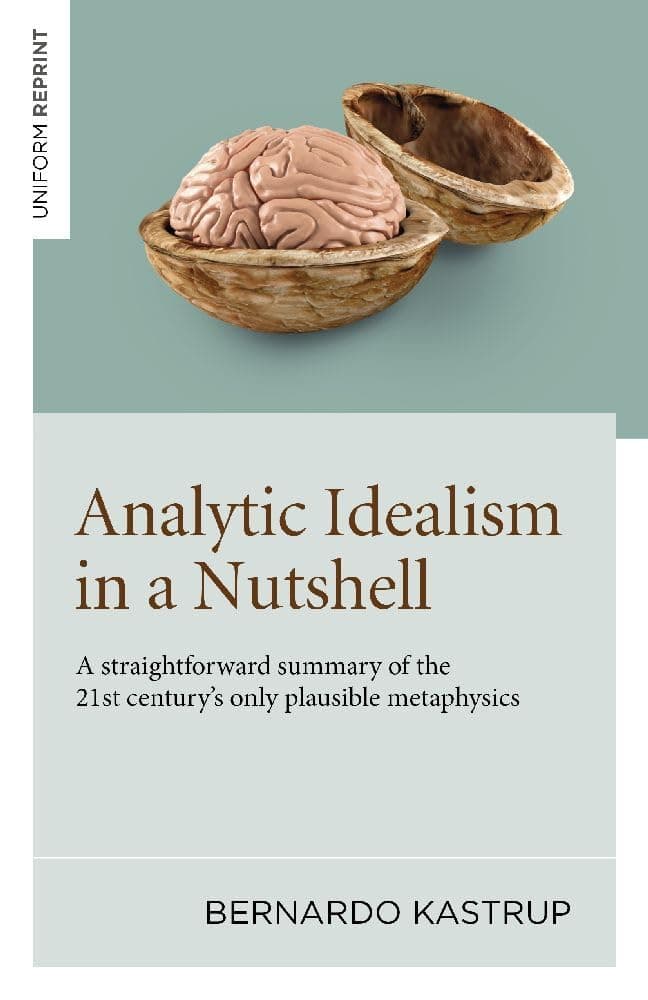
Analytic Idealism in a Nutshell
Description: Analytic Idealism in a Nutshell is Bernardo Kastrup's concise argument for why consciousness, not matter, i...
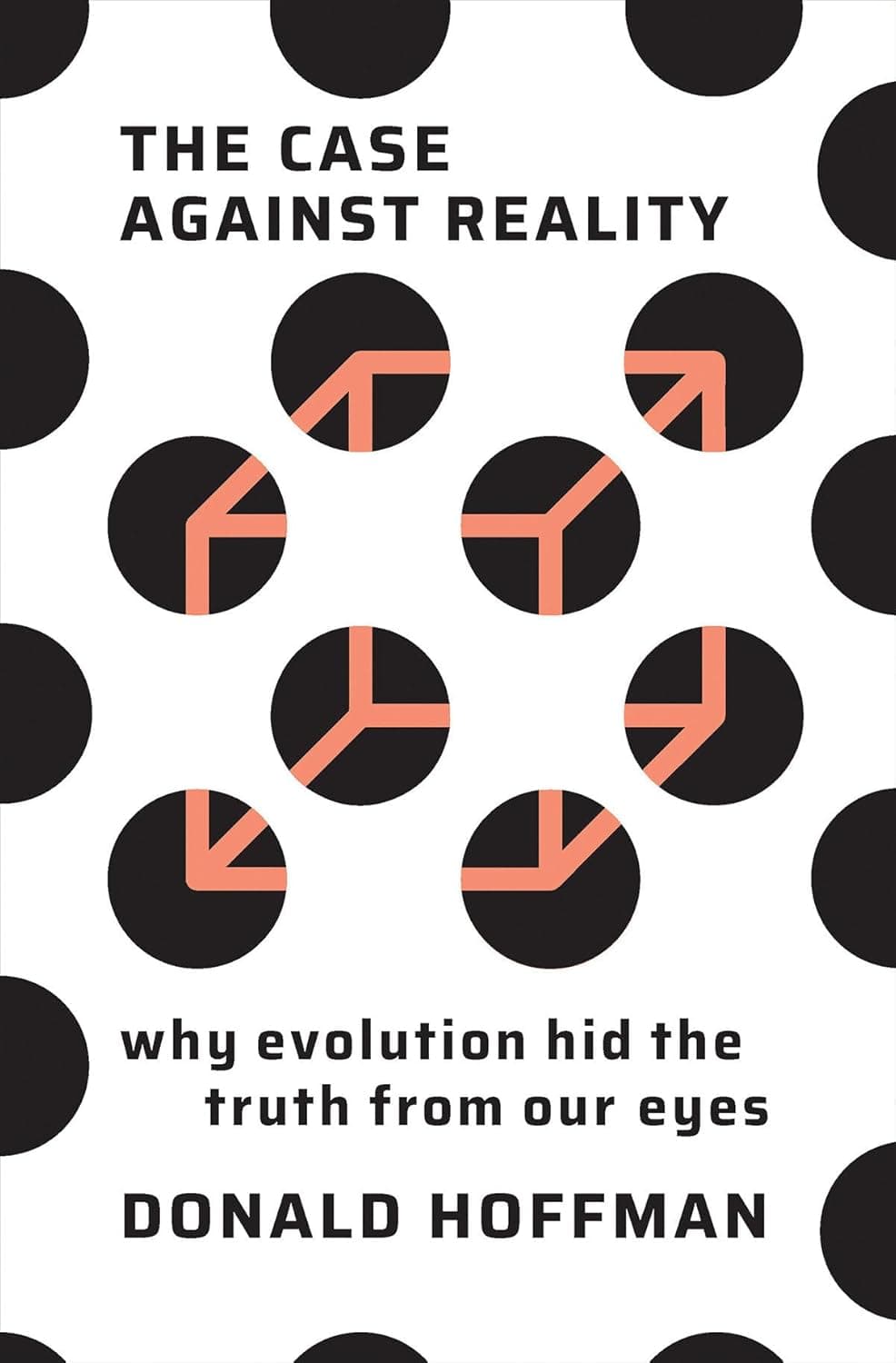
The Case Against Reality
The Case Against Reality presents cognitive scientist Donald Hoffman's radical argument that evolution has shaped our pe...
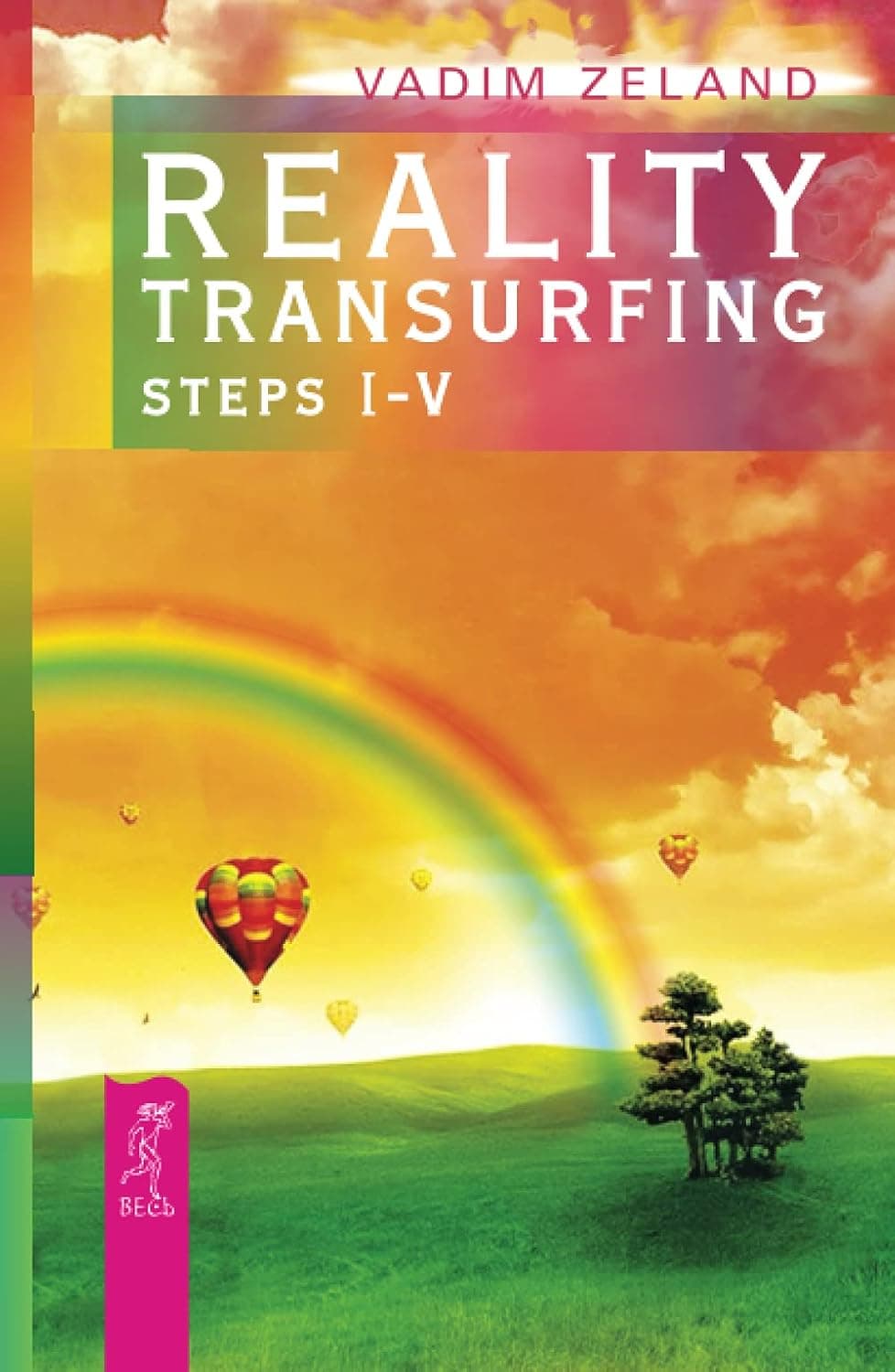
Reality transurfing. Steps I-V
Reality Transurfing is a framework for navigating life by selecting rather than forcing outcomes. Vadim Zeland argues th...
Reading Guide
Where to start based on what you are looking for.